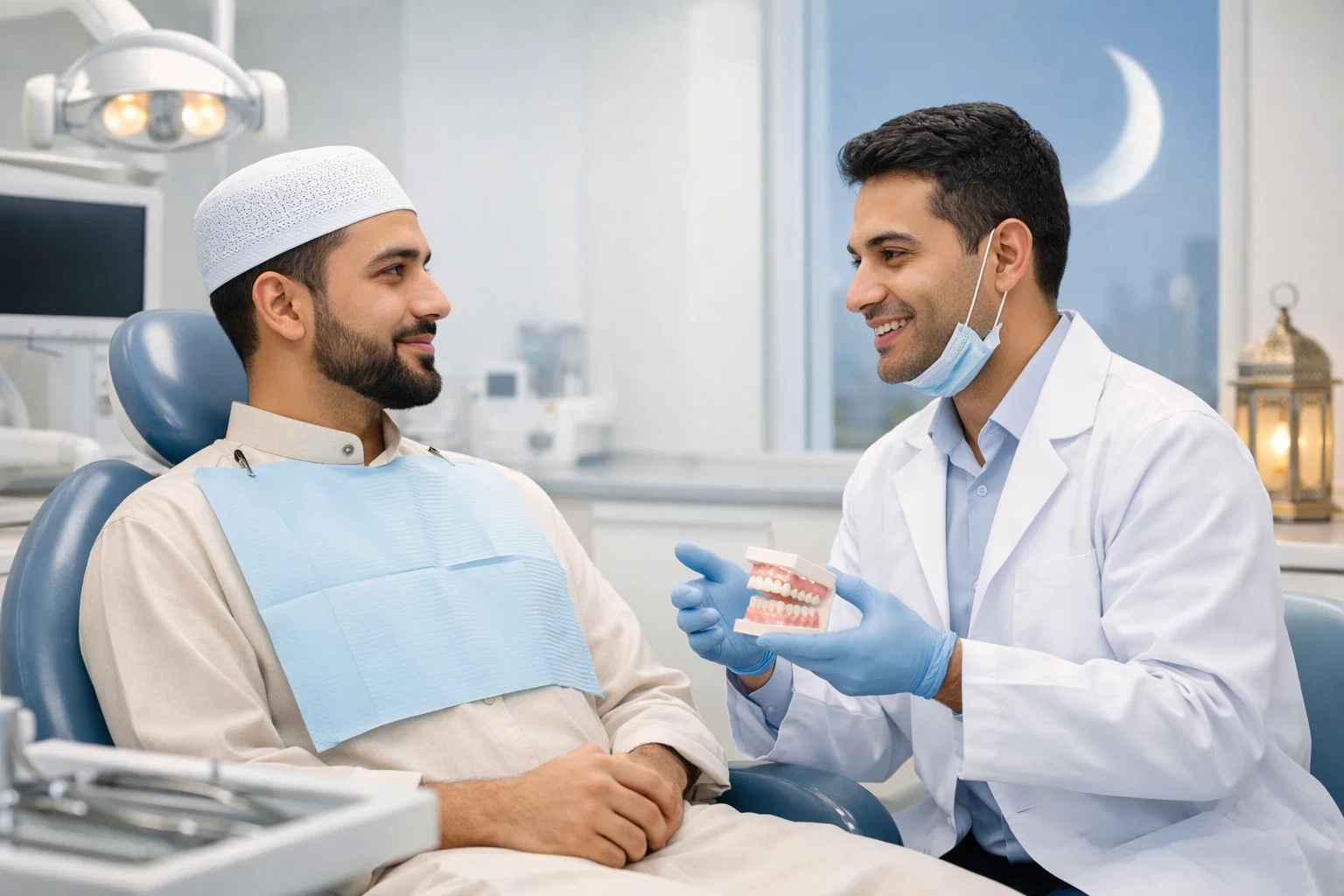
Tooth extraction while fasting does not automatically break the fast in Islam as long as nothing intentionally enters the throat or stomach. According to many scholars and dentists, dental procedures like extraction or injections are allowed during fasting, but patients must avoid swallowing blood, medicine, or water during treatment.
Key Takeaways
- Tooth extraction while fasting is generally permissible in Islam if nothing is swallowed intentionally.
- Dental treatments such as injections or anesthesia usually do not break the fast.
- Dentists often recommend scheduling dental procedures after Iftar when possible.
- Avoid swallowing blood or dental materials during treatment while fasting.
- Maintaining proper oral health during Ramadan is essential to prevent dental emergencies.
- In severe pain or infection, seeking dental treatment during Ramadan is medically necessary.
Understanding Tooth Extraction While Fasting
Before performing a tooth removal procedure, dentists usually conduct a proper dental diagnosis using modern imaging methods to understand the position of the tooth and surrounding bone.
Dental pain can occur unexpectedly, even during Ramadan. Many people wonder whether visiting a dentist or having a tooth removed invalidates their fast.
From both Islamic and medical perspectives, tooth extraction while fasting is allowed when necessary. The main condition is that the patient should not intentionally swallow any substance such as blood, water, or medication during the procedure.
Islam encourages taking care of health. If someone experiences severe tooth pain or infection, delaying treatment could worsen the condition. In such cases, visiting a dentist while fasting is considered acceptable.
Islamic Perspective on Dental Treatment During Ramadan
Islamic scholars have addressed many questions about fasting and dental treatment. The general consensus among scholars is that dental procedures do not break the fast if nothing enters the digestive system intentionally.
What Scholars Say About Tooth Extraction
Many Islamic scholars explain that medical treatments outside the digestive tract do not invalidate fasting.
For example:
- Removing a tooth does not break the fast by itself.
- Dental anesthesia injections are generally allowed.
- Care must be taken not to swallow blood or fluids.
Swallowing Blood During Extraction
During dental procedures, bleeding is common. If blood accidentally enters the mouth but is not intentionally swallowed, the fast remains valid.
Using Dental Injections
Dentists often use local anesthesia during extraction. Dental injection while fasting is usually permissible because it does not provide nourishment to the body.
Emergency Dental Situations
If a person experiences unbearable pain or infection, delaying treatment could harm their health. In such cases, dental treatment during Ramadan becomes necessary.
Note: Islamic rulings may vary depending on scholarly interpretations. Patients should consult a trusted scholar if they are unsure about specific situations.
Medical Perspective on Tooth Extraction During Ramadan
Choosing a clinic that provides advanced dental care ensures that procedures like tooth extraction are performed safely with modern equipment and experienced professionals.
From a medical standpoint, dentists often advise patients to take precautions if they need tooth extraction during Ramadan.
Dental procedures involve tools, rinsing liquids, and sometimes medication. While these treatments are safe, patients must avoid swallowing substances during fasting hours.
Risk of Swallowing Fluids
During extraction procedures, dentists may use water or antiseptic solutions. Patients should rinse carefully and spit out all liquids.
Pain Management
After extraction, dentists may prescribe pain relief medication. Since medication can break the fast, many patients choose to schedule procedures after Iftar.
Healing and Recovery
Recovery after extraction requires rest and hydration. For this reason, some dentists recommend performing the procedure in the evening.
Best Time to Visit a Dentist While Fasting
Although tooth extraction while fasting is permissible, timing can make the experience more comfortable.
Dentists usually recommend scheduling treatment at one of these times:
- Shortly before Iftar
- After Iftar
- Early morning after Suhoor
This timing reduces discomfort and allows patients to take medication if necessary.
Maintaining Oral Health During Ramadan
Preventing dental problems is the best strategy during fasting. Good oral hygiene helps avoid tooth infections and emergency treatments.
Daily Oral Care Routine
Maintaining proper oral care during Ramadan includes brushing, flossing, and using mouthwash responsibly.
Brush Teeth After Suhoor and Iftar
Brushing twice daily removes food particles and bacteria that can cause cavities.
Stay Hydrated During Non-Fasting Hours
Drinking water after Iftar helps maintain saliva production and prevents dry mouth.
Avoid Sugary Foods
Excess sugar increases the risk of cavities and gum disease.
Healthy habits help maintain oral health during Ramadan and reduce the chances of needing urgent dental care.
When Dental Treatment Becomes Necessary
If a tooth cannot be saved, dentists may recommend removal followed by missing tooth replacement options such as implants or dental bridges.
Sometimes dental problems cannot wait until Ramadan ends.
If a patient experiences:
- severe tooth infection
- unbearable pain
- swelling in the gums
- dental abscess
then seeking treatment becomes medically necessary.
In such situations, fasting and dental treatment must be balanced with health considerations.
Professional Dental Care at docmdentalcare.com
If you experience tooth pain, infection, or require dental advice during Ramadan, professional guidance is essential.
At docmdentalcare.com, experienced dental professionals provide safe and effective treatments, including extractions, root canal procedures, and preventive care. The clinic focuses on patient comfort and modern dental technology while helping patients maintain optimal oral health throughout the year.
Whether you require consultation about tooth extraction while fasting or general dental care, professional dentists can guide you on the safest treatment options.
Patients looking for safe and comfortable tooth extraction in Karachi should consult experienced dental professionals who can provide proper diagnosis and treatment.
Need Safe Dental Treatment During Ramadan?
If you are experiencing tooth pain, swelling, or need expert advice about tooth extraction while fasting, dr. m’s dental care is here to help with professional and patient-focused treatment.
Book Your Dental ConsultationFinal Thoughts
Dental health should never be ignored during Ramadan. In most cases, tooth extraction while fasting does not invalidate the fast as long as nothing is swallowed intentionally. Patients should consult both dental professionals and knowledgeable scholars to ensure they follow proper medical and religious guidance.
Maintaining strong oral hygiene and scheduling treatments wisely can help you stay healthy while observing your fast.
FAQs
No, does tooth extraction break your fast is a common question. Most scholars say extraction itself does not invalidate fasting. However, swallowing blood, medication, or water intentionally during the procedure could break the fast.
Yes, visiting a dentist while fasting is allowed in Islam. Dental examinations, cleaning, and treatment can be performed as long as patients avoid swallowing any liquids or substances used during the procedure.
In most scholarly opinions, dental injection while fasting does not break the fast because it is not considered nourishment. Local anesthesia used during dental procedures is generally permissible.
Yes, root canal while fasting is usually allowed. However, dentists may recommend scheduling the procedure after Iftar if medication or antibiotics are required afterward.
Yes, dental treatment during Ramadan is safe if proper precautions are taken. Dentists ensure that patients avoid swallowing fluids and follow post-treatment care instructions to maintain their fast.
Maintaining oral health during Ramadan involves brushing after Suhoor and Iftar, drinking enough water during non-fasting hours, and limiting sugary foods to reduce the risk of cavities and gum disease.
If severe pain occurs, seeking immediate dental care is recommended. Fasting and dental treatment should be balanced with health needs, and Islam allows breaking the fast if medical treatment becomes necessary.