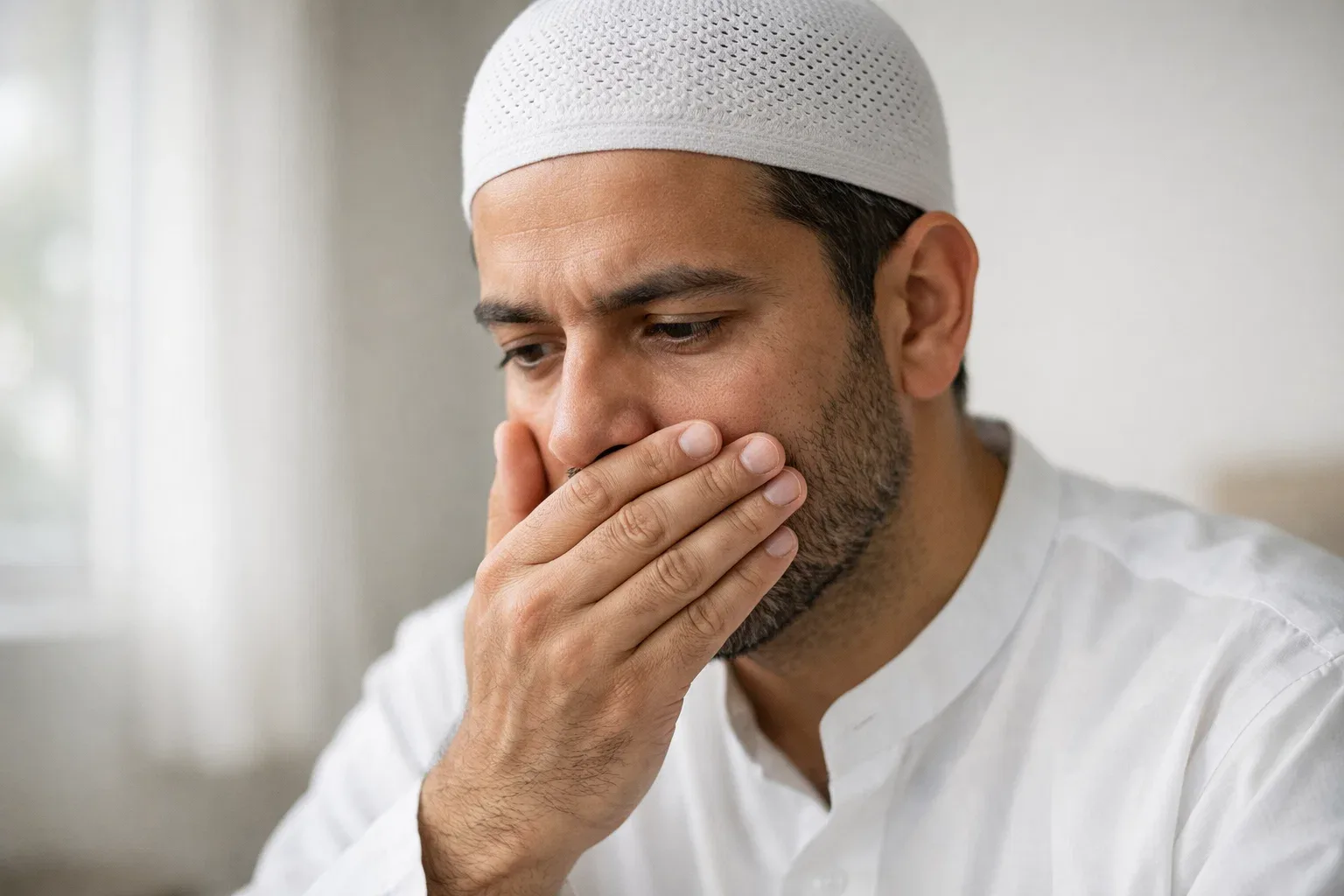
Bad breath during fasting is common in Ramadan due to dry mouth, reduced saliva flow, and bacterial buildup. Maintaining proper oral hygiene, brushing while fasting at the right time, staying hydrated during suhoor and iftar, and following dental care during Ramadan can significantly reduce mouth odor.
Key Takeaways
- Bad breath during fasting is mainly caused by dry mouth and bacteria
- Proper oral health during Ramadan prevents unpleasant mouth odor
- Brushing while fasting is safe if done correctly
- Suhoor and iftar habits directly affect breath freshness
- Professional dental care during Ramadan helps prevent gum issues
Understanding Bad Breath During Fasting
During fasting hours, saliva production decreases, creating an ideal environment for odor-causing bacteria. This is why bad breath in Ramadan becomes more noticeable, especially in long fasting hours.
Unlike normal days, the mouth stays dry for extended periods, increasing bacterial activity on the tongue and gums.
Causes of Bad Breath During Fasting
1. Dry Mouth During Fasting
Saliva naturally cleans the mouth. When saliva flow reduces, bacteria multiply faster and produce unpleasant odors.
2. Bacterial Buildup on Tongue
Food debris and dead cells accumulate on the tongue, causing strong mouth odor if tongue cleaning is neglected.
3. Poor Oral Hygiene Routine
Skipping brushing or flossing increases plaque buildup, worsening breath issues.
Oral Health During Ramadan: Why It Matters
Maintaining oral health during Ramadan is essential not only for fresh breath but also for gum health and overall well-being.
Common Oral Problems in Ramadan
• Bleeding Gums
Inflamed gums release odor-causing compounds.
• Tooth Decay
Leftover food particles promote bacterial growth.
• Persistent Mouth Odor
Often linked to poor cleaning habits and dehydration.
Brushing While Fasting: Is It Safe?
Yes, brushing while fasting is safe as long as toothpaste is not swallowed. Dentists recommend brushing twice daily for best results.
Best Times to Brush
After Suhoor
Prevents bacteria buildup throughout the day.
After Iftar
Removes food residue and refreshes breath.
Before Sleeping
Protects teeth overnight.
ℹ️ Info Box
Use a soft-bristled toothbrush and fluoride toothpaste. Gentle brushing prevents gum irritation and reduces bad breath during fasting.
Dental Care During Ramadan: Professional Tips
Routine dental care during Ramadan helps avoid emergency visits and long-term oral problems.
Dentist-Recommended Practices
• Tongue Cleaning
Reduces odor-causing bacteria.
• Flossing
Removes food trapped between teeth.
• Sugar-Free Mouth Rinses
Use after iftar to refresh breath.
⚠️ Alert Box
Ignoring gum bleeding or tooth pain during Ramadan can worsen oral infections. Early dental consultation prevents complications.
Diet Tips to Prevent Bad Breath in Ramadan
What you eat during suhoor and iftar directly affects breath quality.
Foods to Avoid
- Garlic and onions
- Sugary desserts
- Excessive caffeine
Foods That Help Freshen Breath
- Yogurt
- Apples
- Green vegetables
- Plenty of water
When to See a Dentist During Ramadan
If bad breath persists despite good hygiene, it may indicate underlying dental problems such as gum disease or cavities.
In some cases, persistent bad breath may require further investigation using diagnostic tools like an OPG X-ray to detect hidden dental infections.
✅ Success Box
Early dental checkups during Ramadan help prevent long-term oral issues and ensure fresh breath throughout fasting.
Trusted Dental Care During Ramadan – Dr. m’s dental care
For expert guidance on bad breath during fasting and complete dental care during Ramadan, trust Dr. m’s dental care.
At docmdentalcare.com, patients receive professional consultations, gum treatments, and preventive dental care tailored for fasting individuals. Whether it’s persistent bad breath, gum bleeding, or routine checkups, their experienced team ensures safe and comfortable treatment during Ramadan.
Struggling With Bad Breath During Fasting?
If you’re noticing persistent mouth odor in Ramadan, dry mouth, or bleeding gums, don’t ignore it. Get expert guidance and preventive care at Dr. m’s dental care—safe, comfortable, and Ramadan-friendly.
- Oral checkup & hygiene plan
- Gum care for bleeding/inflammation
- Professional cleaning (scaling) guidance
Tip: Best time for brushing is after suhoor and after iftar for fresher breath throughout fasting.
Final Thoughts
Bad breath during fasting is common but completely manageable. With proper brushing while fasting, mindful eating habits, and timely dental care during Ramadan, you can maintain fresh breath and healthy gums throughout the holy month.
FAQs – Bad Breath During Fasting
Bad breath during fasting occurs due to reduced saliva production, dry mouth, and bacterial buildup. Saliva naturally cleans the mouth, and when its flow decreases, odor-causing bacteria grow faster.
Yes, brushing while fasting is allowed as long as toothpaste or water is not swallowed. Dentists recommend brushing after suhoor and after iftar for best oral hygiene.
Maintaining oral hygiene, tongue cleaning, drinking enough water during non-fasting hours, and avoiding strong-smelling foods help prevent bad breath in Ramadan naturally.
Yes, dry mouth during fasting is one of the main causes of bad breath. Reduced saliva allows bacteria to multiply, producing unpleasant mouth odor.
If bad breath persists despite good hygiene or if you experience gum bleeding, pain, or swelling, visiting a dentist during Ramadan is recommended for early treatment.
Most dental procedures are safe during fasting, especially checkups and cleanings. Dentists can also advise on the best timing for treatments during Ramadan.